Facing a power outage, heading off-grid, or powering a remote job site, a reliable generator isn't just a convenience—it's a necessity. For many, a Troy-Bilt generator is the sturdy, dependable workhorse that comes to mind, known for its versatility and strong performance. But navigating the options to find the perfect fit can feel overwhelming. This Troy-Bilt Generator Buyer's Guide cuts through the noise, offering clear, actionable insights to ensure you choose a power solution that won't let you down.
At a Glance: Your Quick Guide to Troy-Bilt Generators
- Versatile & Dependable: Troy-Bilt generators are praised for their robust performance, suitable for both emergency home backup and demanding outdoor adventures.
- Ease of Use: Many users find Troy-Bilt models straightforward to operate, often featuring convenient electric start options.
- Power Output is Key: Match the generator's wattage to your specific needs—add up running watts and the largest starting watts of your intended loads.
- Fuel Efficiency Matters: Look for models that offer impressive fuel efficiency for extended runtime, especially at lower loads.
- Noise Levels: Expect typical operation between 60-75 decibels, which is comparable to a normal conversation, often quieter than some competing brands.
- Maintenance is Non-Negotiable: Regular oil changes, air filter cleaning, and spark plug checks are crucial for longevity and peak performance.
- Safety First: Always operate outdoors in well-ventilated areas, away from windows and doors, and ensure proper grounding.
Why a Troy-Bilt Generator Might Be Your Next Power Partner
Troy-Bilt generators have carved out a solid reputation for stepping up when unexpected outages strike. Users consistently commend their straightforward design, making them easy to operate even for those new to generators. Beyond ease of use, you'll find an impressive array of wattage options to suit various needs, often coupled with notable fuel efficiency that keeps them running longer on less. And the added peace of mind that comes with a solid warranty means you're investing in a product the brand stands behind.
However, it's worth noting that while Troy-Bilt brings a lot to the table, users occasionally point to their weight and noise levels as factors to consider. Weighing these aspects against the undeniable performance and reliability is part of making an informed choice.
The Foundation of Trust: What Makes a Generator Reliable?
Reliability isn't just a buzzword; it's the core promise of any generator. When the lights go out or you're miles from the grid, you need absolute confidence that your power source will kick into action. With Troy-Bilt, this confidence is built on two primary pillars:
Built to Last: Quality Materials and Robust Construction
A generator's long-term performance starts with what it's made of. Troy-Bilt understands this, often incorporating sturdy materials and premium components designed to withstand the rigors of frequent use and harsh conditions. This build quality directly translates into enhanced resistance to wear and tear, ensuring that your unit operates smoothly and consistently for years. It's the difference between a temporary fix and a lasting power solution.
The Power of Prevention: Essential Maintenance for Peak Performance
Even the most robustly built generator relies on regular care to maintain its peak reliability. Think of it like this: your car needs oil changes to run optimally, and so does your generator. Simple routines, such as diligently checking oil levels, cleaning air filters, and inspecting spark plugs, are not just good practice—they're paramount. These tasks ensure your generator is always ready to deploy, enhance its operational efficiency, and significantly extend its lifespan, safeguarding your investment.
Unpacking Performance: Metrics That Matter
When you're evaluating a generator, certain performance metrics serve as your compass, guiding you toward the right model for your specific demands.
Wattage and Fuel Efficiency: The Power-Runtime Balance
These two metrics are intimately linked, directly dictating both the electricity output and how long your generator will run before needing a refill. A higher wattage means more power for more or larger appliances, while impressive fuel efficiency ensures that power lasts longer. Troy-Bilt models strive for a strong balance here, offering various wattage options to meet diverse electricity needs while aiming for competitive fuel consumption rates. You want a generator that can handle your load without constantly demanding more fuel.
The Voice of Experience: Customer Feedback
While specifications are helpful, real-world validation comes from the users themselves. Customer feedback offers invaluable insights into a generator's true performance, energy needs, and design characteristics. When evaluating Troy-Bilt models, look for consistent themes in user reviews, prioritizing thoughtful opinions over generic remarks. These insights provide a practical lens, confirming if a unit lives up to its promises in varied scenarios. While brands like Honda and Yamaha are often lauded for their exceptional durability and efficiency, Troy-Bilt users frequently highlight the brand's ease of use and solid performance for emergency and recreational needs.
Fueling Your Decision: Understanding Fuel Efficiency
A generator’s fuel efficiency isn’t just about saving money; it’s about maximizing runtime and minimizing the hassle of frequent refueling. Understanding how it’s measured helps you make a smarter choice.
Measuring Up: GPH and Watt-Hours
Fuel consumption is typically measured in gallons per hour (GPH), giving you a direct indication of how much fuel a generator burns. For a more comprehensive picture, consider watt-hours, which combine power output with fuel usage to show how much energy you get per unit of fuel. Troy-Bilt generators aim for competitive GPH ratings, ensuring you get decent runtime from each tank.
Under Load: How Real-World Use Impacts Efficiency
The listed fuel efficiency is often an average, and performance can vary significantly under different loads. Load testing, which involves running the generator with varying amounts of connected devices, reveals how varying demands impact its efficiency. A generator running at 50% capacity will almost always be more fuel-efficient per watt than one pushed to 90% capacity. Troy-Bilt engines are designed to optimize efficiency across a range of loads, but operating your unit below maximum capacity will generally yield better fuel economy.
Ratings and Comparisons: Getting the Best Bang for Your Buck
Efficiency ratings provide a useful benchmark for comparing models, allowing you to gauge the build quality and performance relative to the price. These ratings often encapsulate the engine's design, alternator efficiency, and overall construction quality. A higher efficiency rating often means you’re getting more power for your fuel, potentially offsetting a slightly higher initial cost with long-term savings.
Listening In: Understanding Noise Levels
Nobody wants a generator that sounds like a jet engine, especially during a quiet evening outage. Noise levels are a significant consideration, impacting comfort for you and your neighbors.
Troy-Bilt generators typically operate within the 60 to 75 decibel range. To put that into perspective, a normal conversation hovers around 60 decibels, while a quiet library is about 30 decibels. Many users appreciate that while Troy-Bilt units pack serious power, they often run quieter than many other brands on the market. However, it's worth remembering that even at these levels, extended use can still impact comfort, particularly in close proximity or late at night. If ultra-quiet operation is your top priority, consider additional noise-dampening enclosures or further spacing from living areas.
Protecting Your Investment: Warranty and Maintenance
Beyond the initial purchase, understanding what safeguards your investment and how to properly care for it is crucial.
The Assurance of a Warranty
Most Troy-Bilt generators come with standard warranty periods, typically covering major component repairs for a specified duration. It's vital to check the specific details for the model you're considering, as coverage can vary. This warranty provides an essential layer of peace of mind, protecting you against unforeseen manufacturing defects or component failures.
The Cornerstone of Longevity: Proactive Maintenance
We can't stress this enough: maintenance is paramount for optimal performance and extending your generator's lifespan. Adhering to the manufacturer's recommended maintenance schedule—which includes regular oil changes, air filter cleaning, and spark plug replacement—isn't just a suggestion; it's a mandate for reliability. Consistent inspection and timely service not only boost runtime and efficiency but also prevent costly breakdowns, ensuring your Troy-Bilt generator is always ready when you need it most.
Troy-Bilt in the Lineup: A Brand Comparison
When you're evaluating generators, it's natural to wonder how Troy-Bilt stacks up against other prominent names in the industry.
Troy-Bilt has cultivated a strong reputation, particularly for its user-friendly features like electric start options and overall ease of operation. For many homeowners and recreational users, these factors make Troy-Bilt an attractive choice. They deliver solid performance for a range of needs, from powering essential home appliances during an outage to running tools at a remote campsite.
However, when compared to premium brands like Honda or Yamaha, or even heavy-duty contenders such as Cub Cadet or Generac, there are nuances. While Troy-Bilt performs well for general-purpose use, some competitors might offer marginally superior durability for continuous, heavy-duty commercial applications, or boast more extensive customer service networks. Troy-Bilt generally hits a sweet spot, offering a reliable, feature-rich generator that balances performance with accessibility, often at a competitive price point. Your choice often comes down to your specific needs, budget, and how often you anticipate pushing the generator to its limits.
Power Up Safely: Essential Operating Tips for Portable Generators
Operating a portable generator effectively and safely is just as important as choosing the right one. These best practices will protect you, your generator, and your property.
1. The Right Spot: Proper Placement is Paramount
Never, under any circumstances, operate your generator indoors. This is a critical safety rule to prevent carbon monoxide poisoning, which can be fatal. Always run your Troy-Bilt generator outdoors in a well-ventilated area, keeping it at least 20 feet away from doors, windows, and vents that could allow exhaust fumes to seep into your home or other occupied buildings. Place it on a stable, level surface to prevent tipping and ensure proper airflow.
2. Guard Against Shock: Grounding for Safety
Properly grounding your generator is crucial to prevent electrical shock. This step diverts any stray electrical current safely into the earth. Always consult your owner’s manual for specific grounding instructions, as well as local electrical codes, to ensure you meet all requirements. Don't skip this vital safety measure.
3. Handle with Care: Fuel Handling Precautions
Fuel is highly flammable, so exercise extreme caution. Always allow the generator engine to cool completely before attempting to refuel it. Never refuel a running or hot engine, as spilled fuel can ignite. Store fuel in approved, well-ventilated containers, and keep them far away from any ignition sources like open flames, sparks, or pilot lights.
4. Stay on Schedule: Regular Maintenance Extends Life
As we’ve emphasized, consistent maintenance is key. Adhere strictly to the manufacturer’s recommended schedule for oil changes, air filter cleaning, and spark plug replacement. These routine checks ensure your generator performs reliably, prevents unexpected breakdowns, and significantly extends its operational lifespan, making your investment worthwhile.
5. Don't Overload: Smart Load Management
Overloading your generator can cause damage to the unit and potentially to connected appliances. Before plugging anything in, calculate the total wattage of all the devices you intend to power and ensure it's well within the generator's rated capacity. A good rule of thumb is to start with the largest load (like a refrigerator motor) and then incrementally add smaller loads to prevent sudden power surges.
6. Built to Withstand: Weather Protection
Your generator is an outdoor piece of equipment, but it still needs protection from the elements. While designed for robust outdoor use, protect the unit from direct rain, heavy snow, or excessive heat. Consider investing in a purpose-built generator cover for outdoor storage or use during inclement weather to shield it from moisture and debris.
7. Powering Down: Proper Shutdown Procedures
Just as important as starting up is shutting down correctly. Before turning off the generator, switch off all connected appliances and remove their plugs. Allow the engine to run for a few minutes without a load to cool down, then follow the manufacturer's shutdown procedure. This helps prevent damage and prepares the unit for its next use.
Decoding Your Needs: Key Features and Selection Guide
Choosing the right Troy-Bilt generator means understanding what features align with your specific power requirements. Let's break down the critical factors.
Power Output: Matching Watts to Needs
The generator's power output is arguably its most critical specification. It dictates how many and what types of appliances you can run simultaneously. You'll see two main numbers:
- Running Watts: The continuous power needed to keep an appliance operating.
- Starting Watts (Surge Watts): The brief burst of extra power needed to start motor-driven appliances (like refrigerators, well pumps, or air conditioners).
How to Calculate Your Needs:
- List all the appliances you want to power.
- Find the running watts for each (usually on a label or in the manual).
- Add up all the running watts.
- Identify the appliance with the highest starting wattage.
- Add the highest starting wattage to your total running watts. This sum is your minimum required generator wattage.
Always leave a 10-20% buffer to avoid overloading, which can damage the generator and connected devices. A generator rated for 5000 running watts and 6250 starting watts, for instance, offers substantial power for most homes during an outage.
Fuel Efficiency: Maximizing Runtime
Fuel efficiency isn't just a green consideration; it directly impacts your wallet and how long your generator can operate without needing a refill. It's influenced by several factors:
- Engine Design: Modern, well-engineered engines are inherently more efficient.
- Load Size: As mentioned, a generator operating at an optimal load (often 50-75% of its capacity) will be more fuel-efficient than one running at near-max capacity or very low loads.
- Operating Conditions: Extreme temperatures or high altitudes can slightly reduce efficiency.
A Troy-Bilt generator with impressive fuel efficiency will offer longer operational periods on a single tank, making it more convenient during extended outages or remote use.
Runtime: How Long Can You Go?
Runtime is the duration a generator can operate continuously on a single tank of fuel. It's a crucial factor for extended power needs.
- Fuel Tank Capacity: This is straightforward: a larger tank (e.g., a 5-gallon tank) will almost always provide longer runtime than a smaller one (e.g., a 3-gallon tank), assuming similar efficiency.
- Engine Efficiency and Load: A more efficient engine, especially when operating at a lower to moderate load (e.g., 50% load), will stretch its fuel much further than a less efficient engine or one running close to its maximum capacity.
- Fuel Type: Different fuels have varying energy densities. Gasoline is common, but dual-fuel models (which can run on both gasoline and propane) offer flexibility, as propane can sometimes burn more cleanly and have longer storage life.
- Environmental Factors: While minor, extreme cold can slightly reduce fuel efficiency due to increased engine effort, and higher altitudes can also impact performance.
Consider your likely usage scenarios. If you need power for an entire overnight outage, prioritize models with excellent runtime.
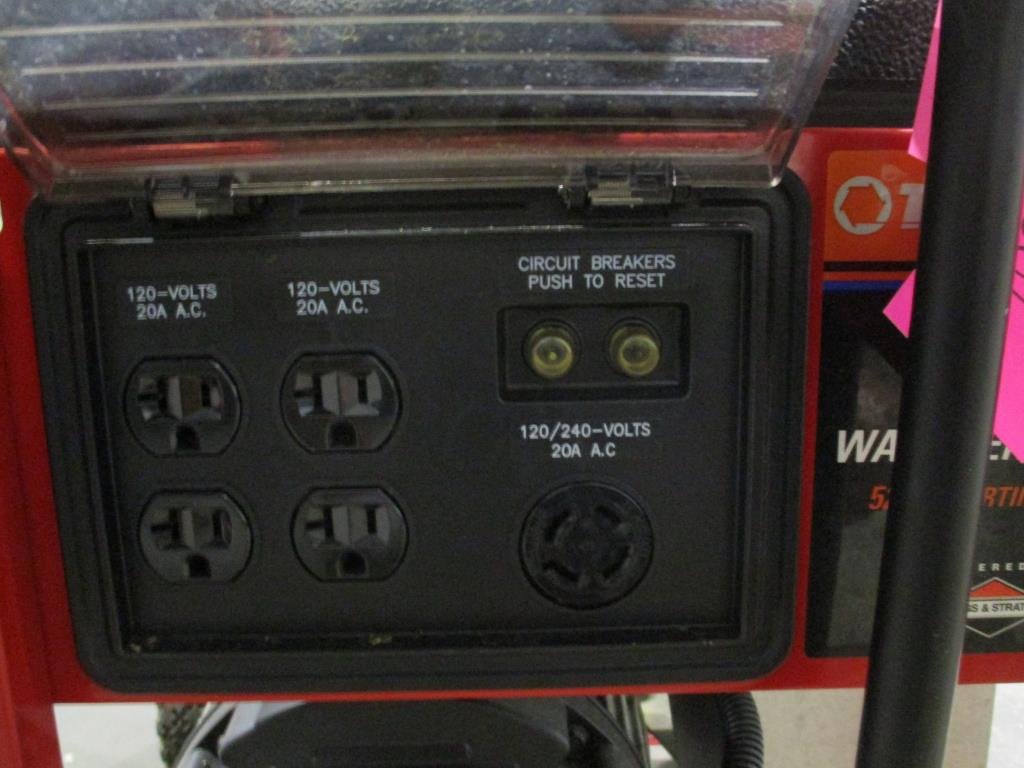
Outlets and Features: Enhancing Versatility and Safety
The type and number of outlets, along with built-in features, dictate how versatile and user-friendly your generator will be.
- Outlets:
- Standard 120V (household outlets): Essential for common appliances, lights, and electronics.
- Higher-Voltage 240V Outlets: Necessary for heavy-duty equipment, such as well pumps, central AC units (with a transfer switch), or some power tools.
- GFCI Outlets: Ground Fault Circuit Interrupter outlets offer added safety, especially in damp environments.
- Key Features to Look For:
- Automatic Voltage Regulation (AVR): Crucial for ensuring stable, clean power, protecting sensitive electronics like computers, TVs, and medical devices from voltage fluctuations.
- Low-Oil Shutdown: A vital safety mechanism that automatically turns off the engine if oil levels drop too low, preventing potentially catastrophic engine damage.
- Electric Start: A convenience feature that allows you to start the generator with the push of a button, rather than a pull cord—especially helpful in cold weather or for those with mobility issues.
- Built-in Fuel Gauges: Simple but highly useful for monitoring fuel levels at a glance, helping you avoid unexpected shutdowns.
- Hour Meter: Tracks engine runtime, making it easy to adhere to maintenance schedules.
Portability and Size: Moving Your Power Source
A "portable" generator still varies greatly in how easily it can be moved. Consider where you'll use and store it.
- Weight and Dimensions: Compact, lightweight units (e.g., a 2000-watt inverter generator weighing around 50 lbs) are a breeze to carry for tailgating or light camping. Larger, heavier conventional models (e.g., a 7000-watt unit often weighing 200 lbs or more) usually require integrated wheels and handles, or even assistance to move.
- Form Factor and Design:
- Integrated Handles and Wheels: Essential for heavier units, making maneuverability much easier.
- Foldable Frames: Can aid in more compact storage.
- Suitcase-Style Designs: Common for smaller inverter generators, enhancing portability.
- Open-Frame Designs: Often found on larger conventional generators, allowing for better ventilation and easier access for maintenance.
- Storage Considerations: A smaller unit can tuck away easily in a garage corner, shed, or even a vehicle trunk. A larger, heavy-duty generator will require dedicated space, often needing more clearance due to its dimensions and exhaust requirements.
- Placement Flexibility: Lightweight units offer greater versatility, allowing you to position them in tighter outdoor spaces. Larger units demand more clearance for safe operation and ventilation. Think about how and where you'll use your generator, and choose a size that fits both its purpose and your physical capabilities.
Frequently Asked Questions About Troy-Bilt Generators
We've compiled answers to common questions to help clarify your generator buying journey.
Q1: How do I size a Troy-Bilt generator for my needs?
A1: To size your generator, sum the running watts of all devices you intend to power simultaneously. Then, identify the appliance with the largest starting (surge) wattage and add that to your total running watts. Always give yourself a 10-20% buffer to prevent overloading.
Q2: What's the most common fuel type for Troy-Bilt portable generators?
A2: Gasoline is the most common fuel type for Troy-Bilt portable generators. However, many models offer dual-fuel options, allowing them to run on both gasoline and propane, providing greater flexibility.
Q3: How often does a Troy-Bilt generator need maintenance?
A3: Maintenance frequency depends on usage, but you should always follow the manufacturer’s recommended schedule in your owner’s manual. This typically includes regular oil changes, air filter cleaning, and spark plug replacement, often after a specific number of operating hours or annually.
Q4: What are the most essential safety precautions when operating a generator?
A4: Always operate your generator outdoors in a well-ventilated area, far away from windows, doors, and vents to prevent carbon monoxide poisoning. Ensure proper grounding to prevent electrical shock, and allow the engine to cool completely before refueling.
Q5: How should I store my Troy-Bilt generator for an extended period?
A5: For long-term storage, store your generator in a dry, well-ventilated area, away from flammables. It's crucial to properly drain the fuel system or use a fuel stabilizer to prevent fuel degradation and carburetor issues. Refer to your owner's manual for detailed storage instructions.
Q6: What's the typical lifespan of a Troy-Bilt portable generator?
A6: The typical lifespan of a Troy-Bilt portable generator varies significantly based on usage, maintenance, and storage. With proper usage, diligent adherence to maintenance schedules, and appropriate storage, you can expect many years of reliable service.
Your Path to Confident Power
Choosing the right Troy-Bilt portable generator means carefully aligning its capabilities with your specific power demands. By meticulously considering power output, fuel efficiency, runtime, available outlets, convenience features, and the all-important aspects of portability and size, you can make an informed decision that ensures reliable power for years to come.
Remember, your generator is an investment in security and convenience. Adhering to the recommended maintenance schedule and strictly following all safety guidelines are not mere suggestions—they are critical steps to maximize your unit's longevity and ensure safe operation for everyone. Portable generators like those from Troy-Bilt offer crucial independent power for everything from emergency backup during severe weather to powering remote work sites and enhancing recreational activities. As technology continues to evolve, we can only expect these vital tools to become even more efficient and user-friendly.
Ready to find the perfect match for your power needs? Explore Troy-Bilt generators and equip yourself with dependable power.