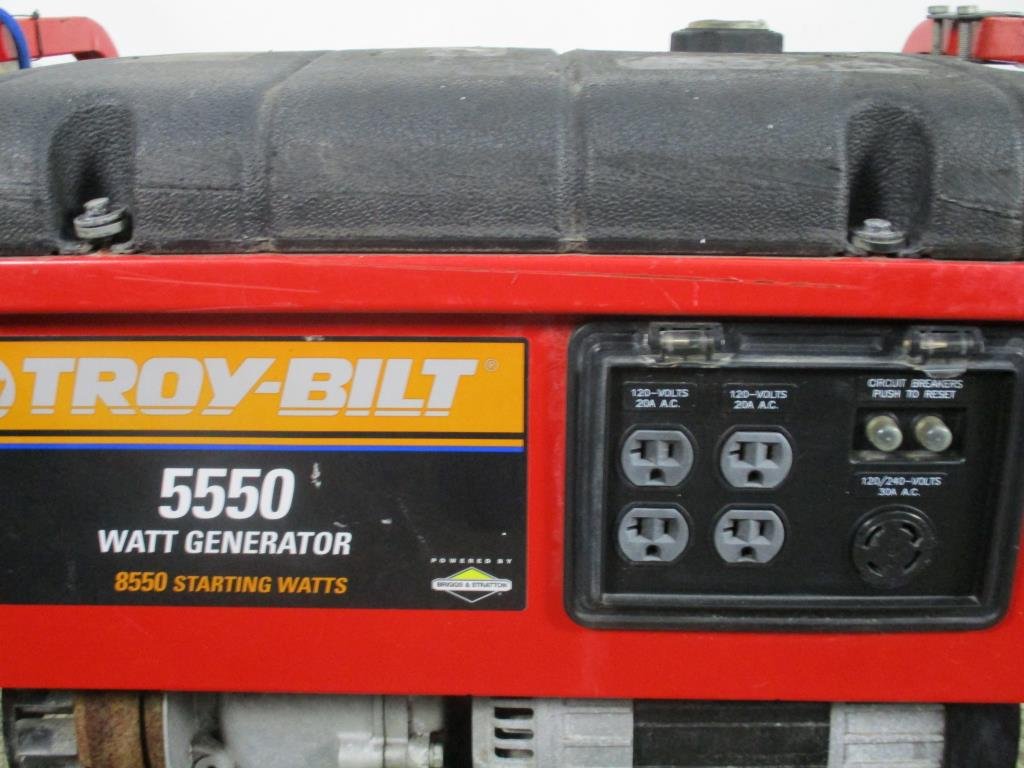
When the lights go out, a reliable backup power source isn't just a luxury—it's peace of mind. For homeowners looking for that crucial assurance, Troy-Bilt generators have long been a trusted name, known for their rugged dependability, often powered by robust Briggs & Stratton engines. But simply owning one isn't enough; truly leveraging its potential for home power backup hinges on a deep understanding of Troy-Bilt Generator Models & Specifications, and knowing exactly how to operate and maintain them.
This guide isn't just a dry manual; it's your comprehensive companion to unlocking the full capability of your Troy-Bilt generator, ensuring you're prepared, safe, and confident the next time a power outage strikes. We'll demystify the specs, walk you through proper usage, and highlight the critical safety measures that keep your home powered and your family safe.
At a Glance: Your Troy-Bilt Generator Essentials
- Powerful Performance: Troy-Bilt models like the XP 030477 deliver substantial running and starting watts, capable of handling essential home circuits.
- Reliable Engines: Often powered by Briggs & Stratton, ensuring durability and consistent operation.
- User-Friendly Features: Electric start, multi-outlet control panels, and innovative remote monitoring make operation simpler.
- Safety is Paramount: Strict adherence to setup, operation, and fueling guidelines is non-negotiable to prevent hazards.
- Maintenance Extends Life: Regular checks and proper storage ensure your generator is ready when you need it most.
- Portability Matters: Features like "Never Go Flat" wheels and extended cords enhance usability around your property.
Decoding Your Troy-Bilt Power Partner: The XP 030477 in Detail
When you invest in a Troy-Bilt generator, you're not just buying a machine; you're buying a solution to a problem. Let's peel back the layers on a prime example, the Troy-Bilt XP 030477 portable gas generator, to understand the specifications that truly matter for home power backup. While specific models may vary, the principles we discuss here apply broadly across the Troy-Bilt lineup, offering a blueprint for understanding any generator's capabilities.
The Heart of the Machine: Power and Engine
At the core of the XP 030477 is a Briggs & Stratton 2100 Series™ OHV engine, a name synonymous with small engine reliability. This engine provides the muscle for:
- 7000 Running Watts: This is the continuous power your generator can produce. It's the rating you use to calculate how many appliances and lights you can run simultaneously during an outage. For most homes, 7000 running watts can comfortably power a refrigerator, freezer, sump pump, lights, a TV, and perhaps a few smaller electronics.
- 10500 Starting Watts: Often called "surge watts," this is the extra burst of power the generator can provide for a few seconds to start motors that have high initial draw (like refrigerators, air conditioners, or power tools). The higher starting watts ensure your appliances can kick on without overloading the system.
This power output, combined with the dependable Briggs & Stratton engine, positions the XP 030477 as a strong contender for essential home backup, capable of keeping critical systems running smoothly when grid power fails.
Fueling Your Resilience: Tank Capacity & Run Time
A generator is only as good as its fuel supply. The XP 030477 boasts an 8.5-gallon metal fuel tank, equipped with a handy fuel gauge so you can easily monitor your reserves. This substantial tank size translates into impressive endurance:
- Up to 11 hours run time at 50% load: This is a crucial specification. At half its rated running capacity (around 3500 watts), this generator can operate for nearly half a day on a single tank. This means less frequent refueling, especially during extended outages, allowing you to focus on other priorities.
Understanding your typical load during an outage is key to estimating your real-world run time. If you're running closer to maximum capacity, your run time will be shorter, necessitating more frequent fuel checks and refills.
Command Center: Outlets, Controls, and Smart Features
Modern generators are more than just engines and alternators; they're sophisticated power hubs. The XP 030477 excels with a multi-featured control panel designed for safety and ease of use:
- Outlet Variety:
- 4-120V 20A household type outlets: Standard three-prong outlets for most common appliances, lights, and electronics.
- 1-120/240V 30A locking type outlet: This more robust outlet is designed to connect to a transfer switch (via a generator cord) to power your home's main electrical panel, or for high-demand 240V appliances.
- Safety First: Rubber outlet covers protect against moisture and debris, while over current protection safeguards both the generator and your connected devices from dangerous power surges.
- Effortless Starting: The convenience of electric start means no more wrestling with a pull cord (though a manual recoil start is also available as a backup).
- Automatic Voltage Regulation (AVR): This is a critical feature, especially for homes with sensitive electronics (computers, smart TVs, medical devices). AVR helps maintain a steady, consistent voltage output, protecting delicate circuitry from damaging fluctuations.
The Extend-a-Panel™ Advantage: Remote Monitoring & Control
Innovation in generators means more than just raw power; it's about smart usability. The XP 030477 takes this a step further with its Extend-a-Panel™ remote control:
- Wireless Convenience: This remote panel can connect directly to the generator or via the provided 20 Amp, 25 ft accessory cord, allowing you to monitor and control your generator from a safer, more convenient distance.
- Real-Time Data: Its LCD display provides critical information at a glance, including the power level in use and timely maintenance reminders. This means you’re not guessing about your power consumption or forgetting crucial service intervals.
- Overload Alarm: An audible alarm signals if you're drawing too much power, helping you manage your load effectively and prevent damage.
- Security Feature: A built-in security warning (audible beep) upon generator shutdown adds an extra layer of awareness.
- Dual Load Monitor: For its 120V, 20A receptacles, it offers a dual load monitor, giving you precise insight into power distribution.
This remote capability is a game-changer, eliminating the need to venture out into inclement weather to check on your generator.
Mobility & Reach: Power Where You Need It
Even a powerful generator needs to be portable. The XP 030477 makes movement easy:
- 10" Never Go Flat wheels: These durable wheels are designed to handle rough terrain without the worry of punctures, making it easier to move the generator around your property or to storage.
- 25 ft cordset: An included 25-foot cordset provides ample reach, allowing you to place the generator safely away from your home while still connecting to your essential devices or transfer switch.
- Handle Design: A removable handle pin allows you to adjust the handle for easy transport and compact storage.
Getting Started Right: Assembly and First Steps
Your Troy-Bilt generator is a powerful tool, but like any tool, it needs proper setup to perform optimally and safely. Don't skip these crucial first steps.
Unboxing and Initial Assembly
Before you even think about starting your generator, a few key assembly steps are required:
- Wheel Installation: Begin by installing the wheels. Remember to slide a black nylon washer over the axle before placing the wheel, ensuring the raised hub of the wheel faces inboard (towards the generator). This detail helps secure the wheel and prevents premature wear.
- Handle Attachment: The generator's handle is designed for both mobility and compact storage. To move the generator, you'll typically remove the handle pin from its bracket on the right side of the handle, allowing it to pivot into the transport position.
- Extend-a-Panel™ Connection: You have options for the Extend-a-Panel™ remote. For proximity, connect it directly to the generator. For remote monitoring, utilize the provided 20 Amp, 25 ft (7.6 m) accessory cord to position the panel where it's most convenient and safe for you.
Fueling Up: The Right Gas for the Job
Always use fresh, unleaded gasoline. The ground truth specifies an important consideration for some users:
- High Altitude Operation: If you live at altitudes over 5,000 feet (1524 meters), you must use minimum 85 octane / 85 AKI (89 RON) gasoline. Additionally, a high altitude adjustment is necessary for emissions compliance. Consult your owner's manual or a Briggs & Stratton authorized service facility for this adjustment, as it's crucial for performance and regulatory reasons.
Understanding Your Generator's Ground System
The XP 030477 (and most quality portable generators) includes a system ground. This is a vital safety feature connecting the generator's frame components to the AC output receptacle ground terminals and the AC neutral wire. This grounding system helps protect against electrical shock, but it doesn't replace the need for proper grounding when connecting to your home's electrical system, especially via a transfer switch. Always follow local electrical codes for grounding.
Safety First: Non-Negotiable Rules for Generator Use
Operating a portable generator involves working with gasoline, electricity, and engine exhaust—all of which carry inherent risks. Your safety, and the safety of those around you, depends on strict adherence to these warnings.
Guard Against Starter Cord Kickback
When manually starting your generator with the recoil cord, improper technique can lead to a violent kickback, causing severe hand or arm injury.
- The Fix: Always pull the starter cord slowly until you feel resistance, then pull rapidly and smoothly. Never "snap" the cord from a relaxed position.
Electrical Shock: A Silent Killer
Generator voltage can cause severe injury or death. This is not hyperbole.
- The Fix: Never tamper with the engine's governor or attempt to modify any parts that could alter operating speeds. Running the generator at excessively high or low RPMs can produce dangerous voltage fluctuations, potentially damaging the generator or connected devices, and increasing shock risk.
- Never Backfeed: Under no circumstances should you ever plug your generator directly into a wall outlet (an act known as "backfeeding"). This can send power back into the utility lines, potentially electrocuting utility workers or neighbors, and causing severe damage to your home's electrical system. Always use a transfer switch installed by a qualified electrician to connect your generator to your home's wiring.
Fuel and Exhaust: Ignition and Poison Hazards
Gasoline is highly flammable, and generator exhaust contains carbon monoxide, an invisible, odorless, deadly gas.
- The Fix:
- Clearance is Key: Maintain at least 5 feet (1.5 meters) of clearance on all sides of the generator. This is not just for ventilation but to prevent exhaust heat or sparks from igniting nearby combustibles or damaging the fuel tank itself.
- Outdoor Use ONLY: Always operate your generator outdoors in a well-ventilated area, far from windows, doors, and vents that could allow exhaust fumes to enter your home or other occupied buildings. Even in a carport or garage with the door open, carbon monoxide can build up to dangerous levels.
- Fuel Handling: Refuel only when the engine is cool. Spilled fuel on a hot engine can ignite instantly.
Overloading: The Path to Generator Failure
Trying to run too many appliances at once can quickly overload your generator, tripping circuit breakers, or worse, causing permanent damage.
- The Fix: Always calculate your total running wattage and your highest surge wattage requirements before connecting loads. Never add more loads than the generator's specified capacity. When in doubt, start with essential appliances and add others one by one, monitoring your power usage. The Extend-a-Panel™ with its load monitor and alarm is incredibly useful here.
Starting and Stopping Protocols
Correct procedures prevent damage and injury.
- The Fix: Never start or stop the engine with electrical devices plugged in and turned ON. This can create power surges or drops that harm your appliances. Always plug in devices after the generator is stable, and unplug them before shutting down.
- Oil Check First: Do not crank or start the engine before servicing it with the recommended oil. Running without oil or with insufficient oil will cause catastrophic engine damage.
Battery Charger Safety
If your generator has an electric start and a battery charger:
- The Fix: Always unplug the battery float charger before starting the generator. Charge the battery in a dry location, away from the generator's exhaust and heat.
Powering On: Operating Your Troy-Bilt Generator
Once your generator is assembled, fueled, and safely positioned, it's time to bring it to life.
The Starting Sequence
Whether you're using the convenient electric start or the reliable manual recoil, follow these steps:
- Preparation: Ensure all connected loads are unplugged or switched off. Check the fuel level and engine oil.
- Electric Start: Simply turn the key or push the start button (consult your specific model's manual).
- Manual Starting: Grasp the recoil handle firmly. Pull slowly until you feel a slight resistance, indicating the piston is at the top of its compression stroke. Then, pull rapidly and fully, one time. Avoid letting the cord snap back; guide it gently.
- Engine Warm-Up: Once the engine starts, allow it to stabilize and warm up for a few minutes before connecting any electrical loads. This allows the engine to reach optimal operating temperature and ensures a stable power output.
Connecting Electrical Loads
With the generator running smoothly, you can begin connecting your devices.
- Prioritize: Start with your most critical appliances (refrigerator, furnace fan, lights).
- One by One: Connect devices one at a time, allowing the generator to adjust to each new load. This also helps you monitor your total power consumption and avoid overloading.
- Check Your Outlets: Use the appropriate outlets for your needs—standard 120V for household items, and the 120/240V 30A locking outlet for transfer switch connections or high-draw 240V appliances.
- Monitor: Keep an eye on the Extend-a-Panel™ LCD display for real-time power level in-use and listen for any overload alarms. This proactive monitoring is key to preventing issues.
Cold Weather Shelter
In colder climates, protecting your generator from the elements can improve performance and reliability.
- Temporary Shelter: The original shipping carton can be repurposed as a temporary shelter, offering protection from snow or light rain. Remember to cut appropriate openings for ventilation and exhaust, and always maintain the 5 ft (1.5 m) clearance on all sides to prevent carbon monoxide buildup and fire hazards.
Maintaining Your Investment: Keeping Your Troy-Bilt in Top Shape
Just like your car, your Troy-Bilt generator needs regular maintenance to ensure it performs reliably when you need it most. Following the recommended maintenance schedule is critical for longevity and performance, and it's also essential for compliance with emissions control regulations and warranty provisions.
The Maintenance Schedule: A Lifeline for Your Generator
Your generator's owner's manual will outline specific maintenance intervals, typically based on operating hours or calendar time (whichever comes first). These intervals cover checks, replacements, or repairs for various components. Adhering to these is part of the Briggs & Stratton Emissions Control Warranty Provisions.
Key Maintenance Tasks for Troy-Bilt Generators
- Engine Oil: This is perhaps the most critical fluid.
- Frequency: Change engine oil regularly, and more often if you operate the generator under extremely dirty, dusty, or hot conditions.
- Type: Consult your manual for the recommended oil type and viscosity. Note that below 40°F (4°C), SAE 30 oil can result in hard starting, so a multi-viscosity oil (like 5W-30) might be better suited for cold weather.
- Air Cleaner: A clean air cleaner is vital for engine health.
- Frequency: Clean or replace the air cleaner more often if operating in dirty or dusty environments to prevent engine damage from contaminated air.
- Fuel Valve & System: Keeping the fuel system clean prevents clogs and ensures consistent fuel delivery.
- Maintenance: Periodically clean the fuel sediment cup, screen, and o-ring, inspecting for debris or damage.
- Muffler/Spark Arrester: These components manage exhaust and prevent sparks.
- Inspection: Inspect regularly for cracks, corrosion, or carbon buildup. A damaged spark arrester can pose a fire risk.
- Cooling System: Proper cooling is essential to prevent overheating.
- Professional Cleaning: Due to the potential for hidden debris accumulation, Briggs & Stratton recommends having an authorized service facility clean the cooling system periodically.
Long-Term Storage: Preparing for Downtime
If you anticipate storing your generator for over 30 days, follow these steps to prevent issues:
- Fuel Stabilizer: Add a fuel stabilizer to the gas tank and run the engine for a few minutes to circulate it through the fuel system. This prevents fuel degradation and gumming.
- Drain Fuel (Optional but Recommended): For even longer storage (e.g., off-season), it's often best to drain the fuel tank completely and run the engine until it runs out of gas.
- Oil Change: Change the engine oil while it's warm, then refill with fresh oil.
- Spark Plug: Remove the spark plug and pour about a teaspoon of engine oil into the cylinder. Gently pull the starter cord a few times to distribute the oil, then reinstall the spark plug. This helps protect the cylinder walls.
- Clean Exterior: Clean any dirt or debris from the generator's exterior.
- Cover: Store the generator in a dry, protected area, ideally covered to prevent dust and moisture accumulation.
If you don't perform these storage steps, make sure to start the generator at least once every seven days and run it for at least 30 minutes to keep the engine lubricated and the fuel fresh.
For further exploration of various models and their features, you can always Explore Troy-Bilt generators and find one that perfectly matches your household's demands.
Troubleshooting Common Issues: When Your Generator Isn't Cooperating
Even the most reliable machines can encounter hiccups. Knowing how to diagnose and address common problems can save you time, frustration, and potentially a service call. Here are some typical issues you might face with a Troy-Bilt generator, particularly regarding power output.
No AC Output with Engine Running
This is a common and concerning issue—the engine is running, but no power is coming out of the outlets.
- Cause 1: Open circuit breaker.
- Correction: Check the circuit breakers on the generator's control panel. If any are tripped (usually indicated by a switch in the "OFF" or middle position), simply reset them to the "ON" position. Remember, a tripped breaker often indicates an overload, so assess your connected devices before reconnecting.
- Cause 2: Fault in generator.
- Correction: If resetting the breakers doesn't restore power, and you haven't overloaded the unit, there might be an internal fault within the generator's electrical system. This typically requires specialized tools and expertise. Contact an authorized service facility for diagnosis and repair. Do not attempt complex electrical repairs yourself.
- Cause 3: Poor connection or defective cord set.
- Correction: Inspect all extension cords, adapter cords, and the generator's main output cord (especially if connected to a transfer switch). Look for cuts, frayed wires, bent prongs, or loose connections. Test the cord with another device if possible. Replace any damaged cords immediately.
Engine Won't Start or Starts Hard
While the ground truth didn't detail this, it's a very common generator problem.
- Lack of Fuel: Obvious, but often overlooked. Check fuel level.
- Stale Fuel: Fuel left in the tank for long periods can degrade and cause starting issues. Drain old fuel and refill with fresh gasoline.
- Choke Position: Ensure the choke is in the correct position for starting (usually fully closed when cold, then gradually opened as the engine warms).
- Spark Plug: A dirty, fouled, or improperly gapped spark plug can prevent ignition. Remove, inspect, clean, or replace if necessary.
- Low Oil Shutdown: Many generators have a low oil sensor that prevents the engine from starting if the oil level is too low. Check and top off the engine oil.
- Battery (Electric Start): For electric start models, a dead or weak battery will prevent cranking. Ensure the battery is charged and the terminals are clean and tight.
Warranty & Compliance: What You Need to Know
Understanding the regulatory standards and warranty terms for your Troy-Bilt generator is crucial for peace of mind and ensuring long-term support.
Industry Standards & Certifications
The Troy-Bilt XP 030477 generator is rated in accordance with respected industry standards:
- CSA Standards (CSA C22.2 No. 100-04): The Canadian Standards Association (CSA) sets safety and performance standards for electrical and electronic products in North America. Compliance ensures the generator meets rigorous safety requirements.
- PGMA Standards: The Portable Generator Manufacturers’ Association (PGMA) develops performance standards to ensure consumers can accurately compare generator output ratings. This means the 7000 running watts and 10500 starting watts are measured consistently.
These certifications provide an independent verification of the generator's stated capabilities and safety features.
Warranty Coverage
Your Troy-Bilt generator is typically backed by a 2-year limited warranty. This warranty covers defects in materials and workmanship under normal use and service. Additionally, it falls under Briggs & Stratton Emissions Control Warranty Provisions, which cover components related to emissions for a specific period, ensuring compliance with environmental regulations.
Conditions That Void Your Warranty
It's vital to be aware of actions that can void your warranty, potentially leaving you responsible for repair costs:
- Removal of Manufacturing Date or Serial Number: The manufacturing date and serial number are unique identifiers for your generator. Their removal or alteration immediately voids the warranty.
- Alteration or Modification: Any unauthorized alterations or modifications to the equipment, including engine components, electrical systems, or safety features, will void the warranty. This includes tampering with the governor or installing non-approved aftermarket parts.
Regional Availability
A specific note for residents of one particular state:
- California Unavailability: This product is unavailable in California, likely due to specific emissions regulations in that state that the model does not meet.
Always keep your purchase receipts and records of any maintenance performed, as these may be required for warranty claims.
Choosing the Right Troy-Bilt Generator for Your Home
While we've focused heavily on the XP 030477, Troy-Bilt offers a range of generators designed to meet varying needs. Selecting the perfect model for your home power backup requires a bit of planning and self-assessment.
1. Assess Your Power Needs (Wattage Calculation)
This is the most critical step.
- Essential vs. Comfort: Make a list of all the appliances and lights you absolutely need during an outage (refrigerator, furnace fan, well pump, lights, charging phones). Then, consider what would make life more comfortable (TV, microwave, coffee maker).
- Running Watts: Add up the running watts of all the items on your essential list. This is your baseline.
- Starting Watts (Surge): Identify the appliances with the highest starting wattage (e.g., refrigerator, air conditioner, sump pump). The generator's starting watts must be higher than the single highest starting wattage of any appliance you plan to run.
- Future-Proofing: Consider if your needs might grow. It's often better to buy slightly more capacity than you think you need.
2. Consider Fuel Type
Most Troy-Bilt portable generators, including the XP 030477, run on gasoline.
- Gasoline: Widely available, but has a shorter shelf life (can be mitigated with stabilizers). Requires careful storage.
- Propane (LPG): Quieter, cleaner burning, longer shelf life, but larger tanks may be needed for extended outages.
- Dual Fuel: Offers the flexibility of switching between gasoline and propane. (Check if Troy-Bilt offers these models).
3. Essential Features for Home Backup
- Electric Start: A huge convenience, especially during stressful outage situations.
- Automatic Voltage Regulation (AVR): Absolutely critical if you plan to power sensitive electronics.
- Sufficient Outlets: Ensure the generator has the right number and type of outlets for your needs, including a 120/240V 30A locking outlet if connecting to a transfer switch.
- Fuel Tank Size & Run Time: A larger tank means fewer refueling stops. Estimate your desired run time based on typical outage lengths in your area.
- Portability: Even if it's for home backup, you'll need to move it for setup, storage, and maintenance. "Never Go Flat" wheels are a big plus.
- Remote Monitoring: Features like the Extend-a-Panel™ offer significant convenience and safety, allowing you to monitor the generator from indoors.
- Low Oil Shutdown: A vital safety feature that protects the engine from damage if oil levels drop too low.
4. Generator Type: Portable vs. Standby
While Troy-Bilt excels in portable generators, it's worth understanding the broader context.
- Portable Generators: What we've discussed. Manual setup, manual starting (unless electric start), provide power via extension cords or a transfer switch. More affordable.
- Standby Generators: Permanently installed, automatically turn on during an outage, connected directly to your home's electrical system. Much more expensive but offer ultimate convenience.
For most homeowners seeking reliable backup without the significant investment of a standby unit, a robust portable Troy-Bilt generator like the XP 030477 offers an excellent balance of power, features, and value.
Your Next Steps to Power Security
Understanding your Troy-Bilt generator's models and specifications is the first, most crucial step towards true home power security. With the knowledge gained here, you're not just buying a piece of equipment; you're investing in preparedness.
Now that you're well-versed in the capabilities, safety protocols, and maintenance needs of your Troy-Bilt generator, take action:
- Review Your Manual: Always refer to your specific model's owner's manual for precise instructions and safety warnings tailored to your unit.
- Conduct a Dry Run: Practice setting up, starting, and connecting non-essential loads to your generator in a safe, controlled environment. This builds confidence before a real emergency.
- Prepare a Fuel Supply: Store fresh gasoline (with stabilizer) in approved containers, away from living areas and heat sources. Rotate your fuel supply regularly.
- Create a Maintenance Schedule: Mark your calendar for oil changes, air filter checks, and other routine tasks. Regular maintenance ensures your generator is always ready.
- Invest in Safety Accessories: Consider a carbon monoxide detector for your home (even if the generator is outside), heavy-duty extension cords, and ear protection.
- Consult an Electrician: If you plan to connect your generator to your home's electrical panel, always hire a licensed electrician to install a transfer switch.
Power outages are inevitable, but being powerless doesn't have to be. With your Troy-Bilt generator and a commitment to safe, informed operation, you can keep the lights on, the fridge cold, and your family comfortable, no matter what the grid throws your way.