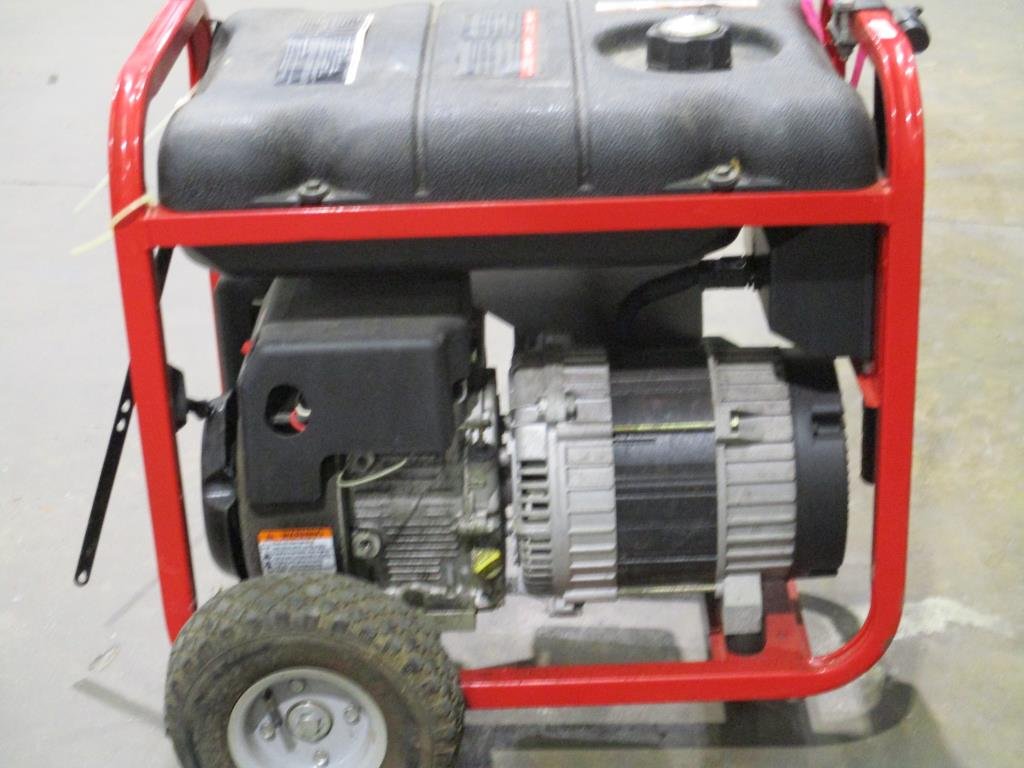
When the lights go out or your adventures call for reliable power, a portable generator often becomes your best friend. But with countless options out there, how do you cut through the noise to find the right one? Diving into Troy-Bilt Generator Reviews & Ratings is a smart first step, offering a real-world look at how these machines perform beyond the spec sheet. Are they truly the versatile, easy-to-use powerhouses they claim to be? Let's unpack what users are saying and what truly matters when you're making this crucial investment.
At a Glance: What Troy-Bilt Users Are Saying
- Strong Performance: Delivers consistent power for various needs, from camping to home backup.
- Easy to Operate: Many praise the streamlined design and simple starting procedures, especially electric start models.
- Fuel Efficiency: Often noted for good runtimes, translating to fewer refueling stops and potential savings.
- Versatility: A range of wattage options available to match different power demands.
- Key Concerns: Weight and noise levels are frequently mentioned as potential downsides, though often compared favorably to other brands.
- Peace of Mind: Comes with warranty details for consumer confidence.
Why Your Generator Choice Matters (More Than You Think)
Choosing a generator isn't just about picking a box that makes electricity; it's about securing peace of mind. Whether you're powering essential appliances during a storm, running tools on a remote job site, or bringing comfort to your campsite, your generator needs to be a dependable workhorse. Troy-Bilt generators have carved out a niche for themselves, often highlighted for their strong performance and user-friendly features. But what do those general statements really mean for your specific needs? We’ll look at the vital factors that differentiate a good generator from a great one, backed by actual user experiences.
Deciphering What Makes a Generator Tick: Key Evaluation Factors
Before you commit to any generator, it's essential to understand the core metrics that define its utility and value. Think of these as your checklist for any potential purchase, especially when sifting through Troy-Bilt generator reviews.
1. Power Output: The Heartbeat of Your Generator
This is arguably the most critical factor. Measured in watts, power output dictates how many devices your generator can run simultaneously. It's not a single number, though; you need to consider two aspects:
- Starting Watts (Surge Watts): Imagine a refrigerator motor kicking on. It needs a quick, intense burst of power to get going, often two to three times its running wattage. This initial surge is your starting watts requirement. For example, a refrigerator might demand 1,200 starting watts.
- Running Watts (Continuous Watts): Once the motor is spinning, it settles into a lower, steady draw. This is the running wattage. Our example refrigerator might only need 700 running watts for continuous operation.
Troy-Bilt generators offer a variety of wattage options, making them suitable for anything from small recreational needs to backing up critical home circuits. Users often appreciate that the reported power output generally holds true in real-world scenarios. Remember, higher power usually means more fuel consumption and a larger, heavier unit, so match the output to your actual needs, not just the biggest number you can find. For a deeper dive into sizing your generator, you might want to read more about deciphering generator specifications.
2. Runtime: Endurance on a Single Tank
How long can your generator keep going before needing a refill? That's runtime. It's typically measured in hours at a specific load percentage (e.g., 8 hours at 50% load). A generator running at full capacity will deplete its fuel much faster than one operating at half-load.
Troy-Bilt's impressive fuel efficiency frequently earns praise from users. Many reviews highlight that these generators can run for extended periods, reducing the hassle of constant refueling. This is particularly valuable during long power outages or extended camping trips where fuel resupply might be challenging. Always check the manufacturer's specified runtime for your chosen model and consider your typical usage patterns.
3. Noise Levels: The Unsung Hero of User Experience
Nobody wants a generator that sounds like a jet engine in their backyard or campsite. Noise levels, measured in decibels (dB), significantly impact where and when you can comfortably use your generator. For context, a normal conversation is around 60 dB, while a quiet library is about 40 dB.
Troy-Bilt generators typically operate between 60-75 decibels. This range is often considered quieter than many other conventional brands. While not silent (quiet spaces are around 30 dB), users frequently note that the noise is manageable, often comparable to an active conversation rather than an intrusive roar. Features like improved mufflers or enclosed designs contribute to this more palatable sound profile. If noise is a major concern for your specific environment, such as a residential area or a crowded campground, exploring quieter generator options might provide additional insights.
4. Fuel Efficiency: Your Wallet and the Planet Will Thank You
Beyond just runtime, fuel efficiency (gallons per hour, or GPH) directly impacts your operating costs and environmental footprint. A generator that sips fuel rather than guzzles it can lead to significant long-term savings.
Troy-Bilt's reputation for impressive fuel efficiency is a recurring theme in user feedback. Features like automatic idle control, which adjusts engine speed to match the power demand, further enhance this efficiency. When evaluating, compare real-world consumption data—e.g., 0.5 GPH vs. 0.75 GPH—to estimate how much you'll spend over the life of the generator. This can be a substantial hidden cost, so don't overlook it.
5. Build Quality: Durability for the Long Haul
A generator is an investment, and you want it to last. Build quality refers to the materials, craftsmanship, and overall robustness of the unit.
- Frame and Housing Durability: Look for sturdy materials like steel frames and weather-resistant housings that can withstand the elements and occasional bumps.
- Component Quality: A generator is only as good as its weakest link. High-quality engines, alternators, control panels, wiring, and connections are paramount. While specifics aren't always in user reviews, consistent long-term performance speaks volumes.
- Weather Resistance: Features like weatherproof outlets or sealed control panels are crucial for outdoor use, protecting sensitive components from rain or dust.
- Fit and Finish: Overall assembly quality, precision of welds, and secure fastenings contribute to both durability and user confidence.
While Troy-Bilt generators are generally considered well-built for their price point, some brand comparisons suggest competitors like Honda or Cub Cadet might occasionally surpass them in sheer long-term durability, especially under very heavy, continuous use. However, for most home backup and recreational needs, Troy-Bilt offers a solid, reliable construction.
6. User Feedback: The Unvarnished Truth
Manufacturer specs are one thing; real-world experience is another. User feedback provides invaluable insights into a generator's true performance, quirks, and overall satisfaction.
When sifting through Troy-Bilt Generator Reviews & Ratings, look for consistent themes:
- Do multiple users report consistent starting difficulties in cold weather, or is it an isolated complaint?
- Is the "easy start" feature truly easy for various users?
- How do people rate customer service when issues arise?
- Are there common praises for quiet operation or fuel economy?
Prioritize reviews from verified purchases and look for patterns across many different platforms. This collective wisdom offers a more complete picture than any single review.
Making Your Choice: Actionable Tips for Evaluating Generators
You've got the foundational knowledge; now let's apply it. Here’s how to use generator evaluations effectively to find the perfect Troy-Bilt model (or any generator) for you.
Tip 1: Pinpoint Your Power Requirements Precisely
Don't guess. List every appliance you might want to power simultaneously. For each, note its starting watts and running watts. Add up the running watts of all continuous items, then add the largest starting wattage of any single motor-driven item (as they typically won't all start at once). This gives you your total minimum running and starting watt requirements. Remember that a refrigerator might need 1,200 starting watts but only 700 running watts. This precise calculation will prevent you from buying an underpowered or unnecessarily oversized (and more expensive) generator.
Tip 2: Prioritize Verified Purchases in Reviews
Anyone can write a review. Focus on platforms or retailers that verify purchases. Reviews from confirmed buyers lend far more authenticity and trustworthiness to the feedback, helping you avoid misleading information.
Tip 3: Consider the Long Game: Durability and Maintenance
A generator isn't a disposable item. Think about how long you expect it to last and what kind of commitment you're willing to make for its upkeep. Look for reviews that address durability over time, ease of maintenance, and the availability of replacement parts.
Regular maintenance is paramount for optimal performance and extending a generator's lifespan. This includes simple tasks like checking oil levels, cleaning or replacing air filters, and ensuring proper fuel storage. Just like a car, a generator thrives on consistent care. If you want to dive deeper into prolonging the life of your unit, consider learning how to maintain your portable generator.
Tip 4: Gauge Noise Levels for Your Environment
This is a deal-breaker for many. If you live in a dense neighborhood, plan to camp in quiet areas, or need to run it close to your home, a noisy generator will quickly become a nuisance. Pay close attention to decibel ratings and user comments on noise. While Troy-Bilt's 60-75 dB range is generally well-received, your personal tolerance and specific application matter most.
Tip 5: Crunch the Numbers on Fuel Efficiency
The purchase price is just the beginning. Fuel costs can add up quickly, especially during extended use. Compare fuel tank capacity with reported runtimes to get a clear picture of real-world efficiency. A generator that costs a bit more upfront but saves significant money on fuel over time often proves to be the smarter investment.
Tip 6: Investigate Practical Features
Beyond core performance, what convenience features does a Troy-Bilt generator offer?
- Multiple Outlets: Do you have enough outlets and the right types (e.g., 120V, 240V, USB)?
- Automatic Shut-Off: Does it have low-oil or overload protection? These are critical safety features.
- Electric Start: This is a huge convenience, especially for colder weather or if you struggle with pull-starts. Many Troy-Bilt users specifically praise their models for easy electric starting.
- Wheel Kits/Handles: Generators can be heavy. Mobility features make a big difference.
- Fuel Gauge: Simple, but incredibly useful to avoid running out unexpectedly.
Tip 7: Cross-Reference Multiple Sources
Don't rely on just one website or review platform. Consult various sources—retailer sites, independent review sites, enthusiast forums, and expert reviews—to get a well-rounded and unbiased perspective. This helps confirm consistent strengths and recurring issues, giving you a more complete picture.
Troy-Bilt Generators: What Stands Out (And Where They Stand)
Based on a wealth of Troy-Bilt Generator Reviews & Ratings, several themes consistently emerge:
- Ease of Use: This is a major selling point. Users consistently praise Troy-Bilt for their straightforward operation and, particularly, the reliability of their electric start systems. Getting power flowing quickly and easily is a huge advantage during an emergency.
- Consistent Power Delivery: For their intended applications, Troy-Bilt generators reliably deliver the power they promise, without significant fluctuations that can harm sensitive electronics.
- Value for Money: Many users feel they get a strong, reliable generator without breaking the bank, offering a good balance of features, performance, and cost.
However, it's also worth noting the broader landscape. While Troy-Bilt generators have a strong reputation, especially for electric start and ease of use, brand comparisons indicate that competitors like Honda or Cub Cadet may sometimes surpass them in ultimate durability and long-term customer service for the absolute toughest conditions. For the vast majority of homeowners and recreational users, however, Troy-Bilt offers a compelling package. If you're looking to explore the range of options, you can always discover Troy-Bilt generators and their specific features.
Your Next Steps: Powering Up with Confidence
Choosing the right generator means understanding your needs, deciphering the specs, and listening to the collective voice of other users. Troy-Bilt generators clearly offer a strong proposition with their emphasis on user experience, reliable performance, and impressive fuel efficiency. They are a solid choice for consistent power during outages or for enhancing your outdoor adventures.
By applying the evaluation factors and actionable tips outlined here, you're not just buying a generator; you're investing in reliable power and peace of mind. Take the time to identify your specific power requirements, review verified feedback, and consider the long-term implications of your purchase. With a bit of research, you'll be well-equipped to make an informed decision and confidently bring power wherever you need it most.